Ranthambore Fort stands on a rocky hilltop inside Ranthambore National Park and is part of the UNESCO-listed Hill Forts of Rajasthan. Its massive walls, gateways, temples, step-wells and ruined palaces overlook forest and lakes, and many visitors see wildlife from the ramparts.
The fort has changed hands among several dynasties over the centuries, and its stories of siege and valour are part of Rajasthan’s history. A visit with a local guide turns the ruins into a story, and photographers love the views at sunrise.
Highlights
- UNESCO World Heritage Site
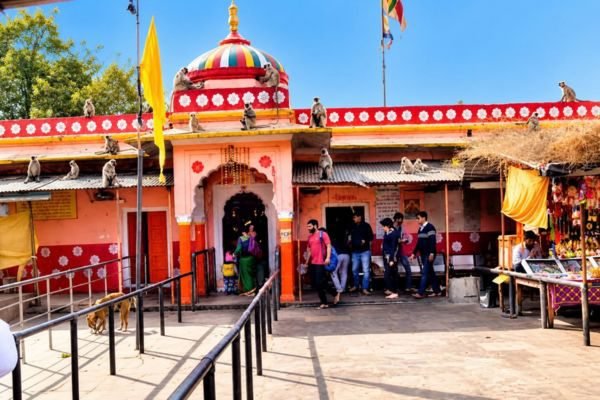
- Trinetra Ganesh Temple inside the fort
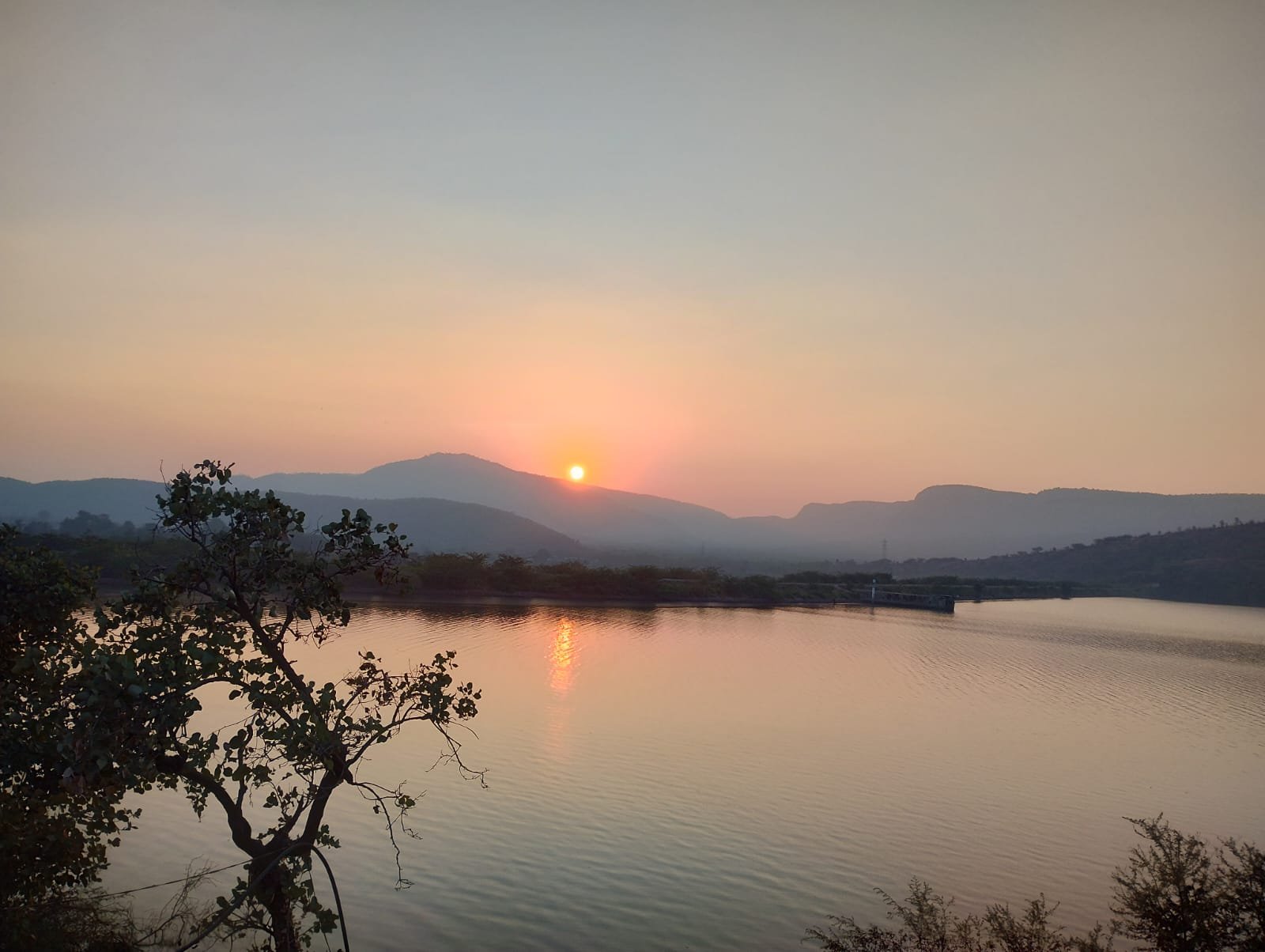
- Panoramic views over the park and lakes
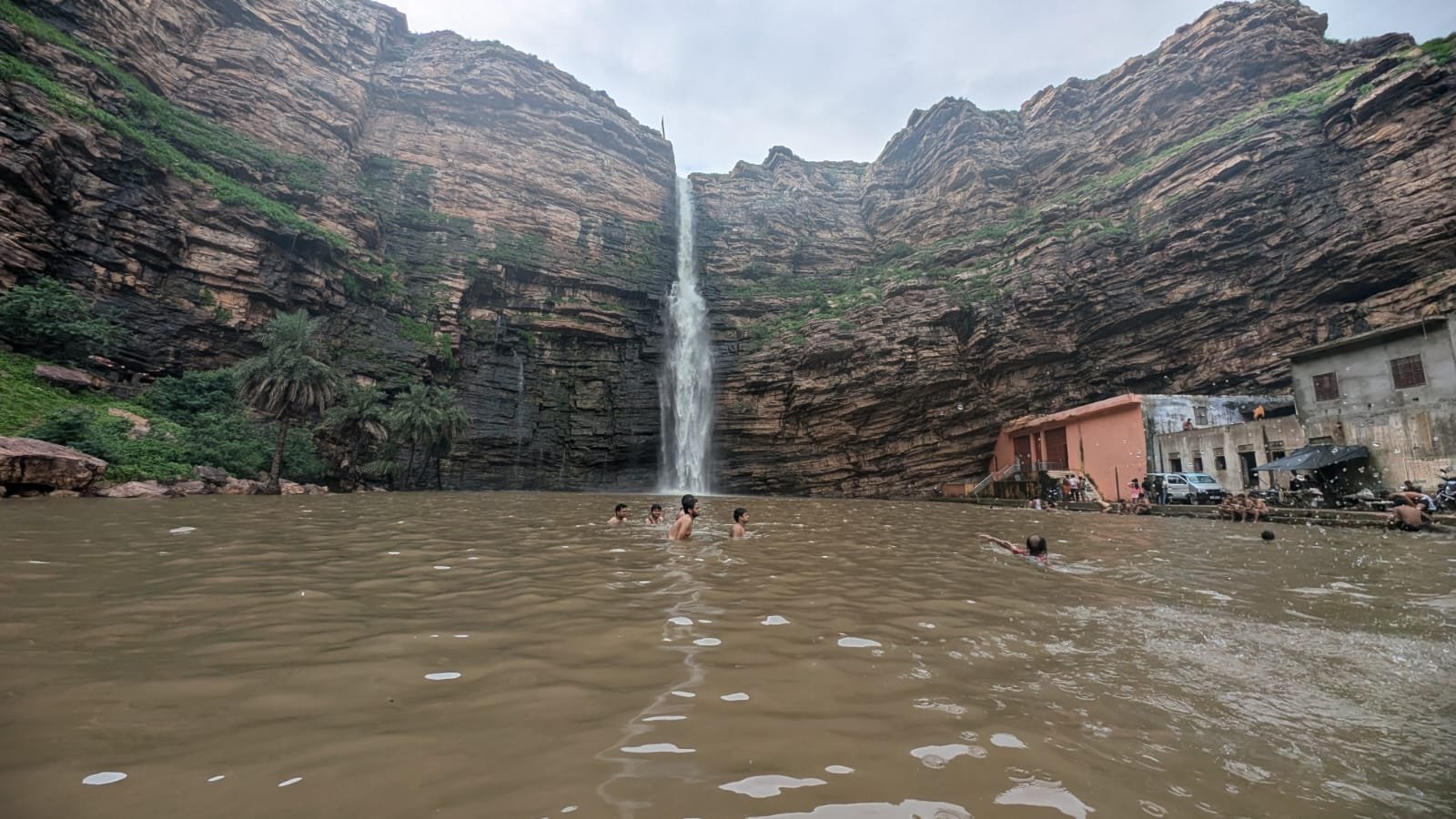
- Old palaces, gateways and water tanks
- Great spot for photography and birds
- Easy to combine with a safari
Quick facts
| Location | Inside Ranthambore National Park, Sawai Madhopur |
|---|---|
| Best season | October to March for cool weather |
| Visit time | Allow 2 to 3 hours |
| Entry | Entry arrangements are set by the authorities; we confirm before you go |
| Climb | Uphill walk or drive up to the gates, with steps inside |
What to see inside
Walk through the old gates, see the Ganesh temple, the Jain temples, the ruined pavilions and the large water bodies. Some viewpoints give a wide look at the forest, where deer and langurs move freely.
Visiting tips
Start early to avoid heat and crowds. Comfortable shoes and a bottle of water are essential, and we recommend a guide for the history. The fort lies within the park, so respect wildlife rules and keep noise low.
Travel tips
- Wear sturdy shoes; the paths are uneven.
- Carry water and sun protection.
- Keep your distance from monkeys and do not feed them.
Frequently asked questions
Is Ranthambore Fort open all year?
Access can change with the season and park rules. Contact us for the latest status before your visit.
Can I visit the fort and do a safari on the same day?
Yes, many guests visit the fort in the morning and take an afternoon safari, or the reverse.